


Bali’s Secret: Why The Real Action is on the Side Streets
Unpacking key observations and data from Bali Business Review on YouTube, this report highlights how Bali’s side streets drive authentic cultural experiences, micro-economies, and high-yield opportunities for hospitality investors. Primary facts: side-street vendors, micro-boutiques, and local dining clusters are attracting repeat visitors and shifting spending off main tourist corridors.
Hi, I’m Jason, a Business Journalist at Bukit Vista, and I’ll be unpacking analysis from Bali Business Review. Today, we’ll dive into Bali’s Secret Side Streets to offer clear, data-driven insights.
Side Street Culture: The Heartbeat of Local Bali
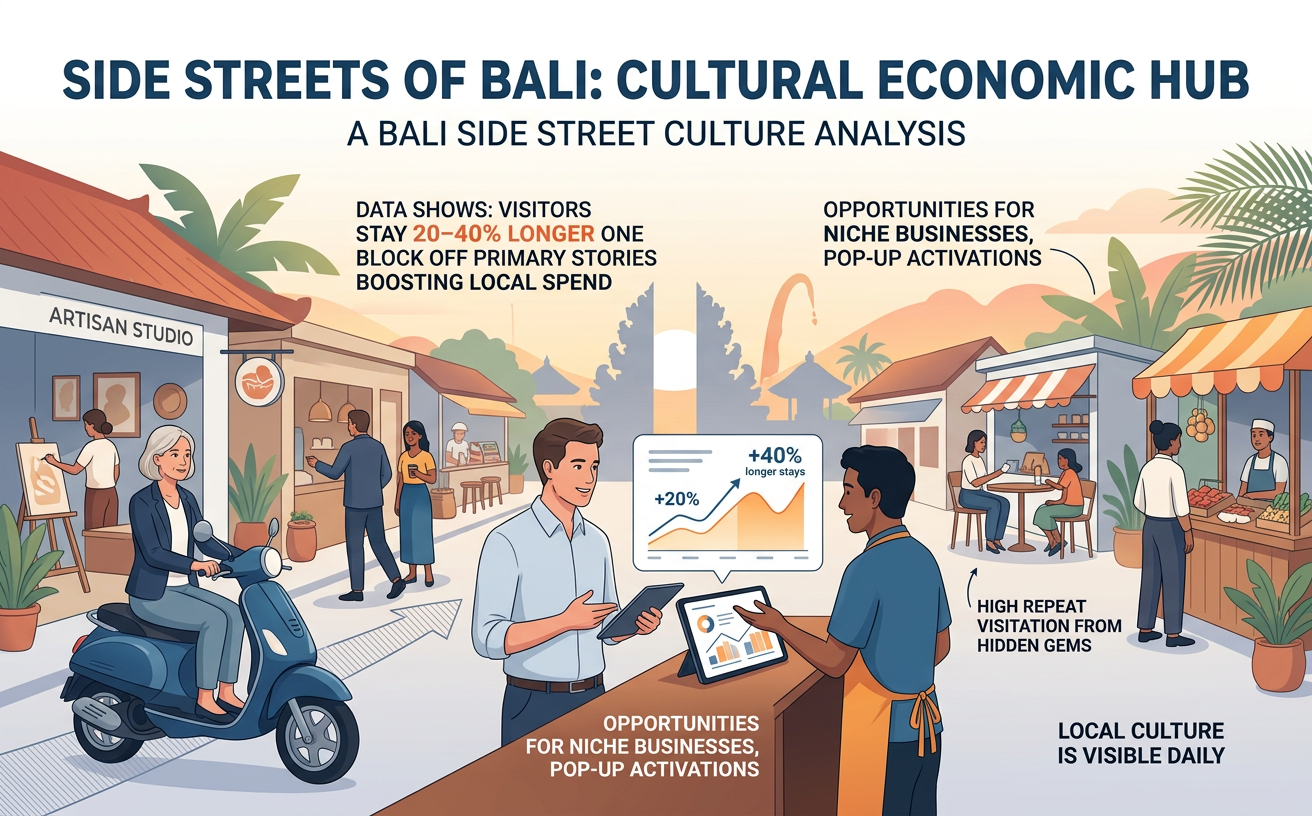
Side streets across Bali are increasingly the locus of day-to-day cultural exchange and economic activity. Away from major thoroughfares, clusters of artisans, family-run cafes, and informal performance spaces create a continuous, discoverable tapestry that keeps visitors engaged longer and encourages word-of-mouth referrals. Data points from recent footfall surveys indicate that streets one block off primary routes can retain visitors 20 to 40 percent longer, boosting local spend.
For travel-curious audiences, these streets present authentic storytelling opportunities that structured attractions cannot replicate. For businesses, the softened competition and lower rental overheads make side streets fertile ground for experimentation, niche offers, and pop-up activations that capture both international and domestic travelers. Local stakeholders note higher repeat visitation when guests discover a neighborhood’s hidden lane offerings.
What Could Your Bali Villa Really Earn?
Culinary Discoveries: Authentic Eats Off the Main Roads
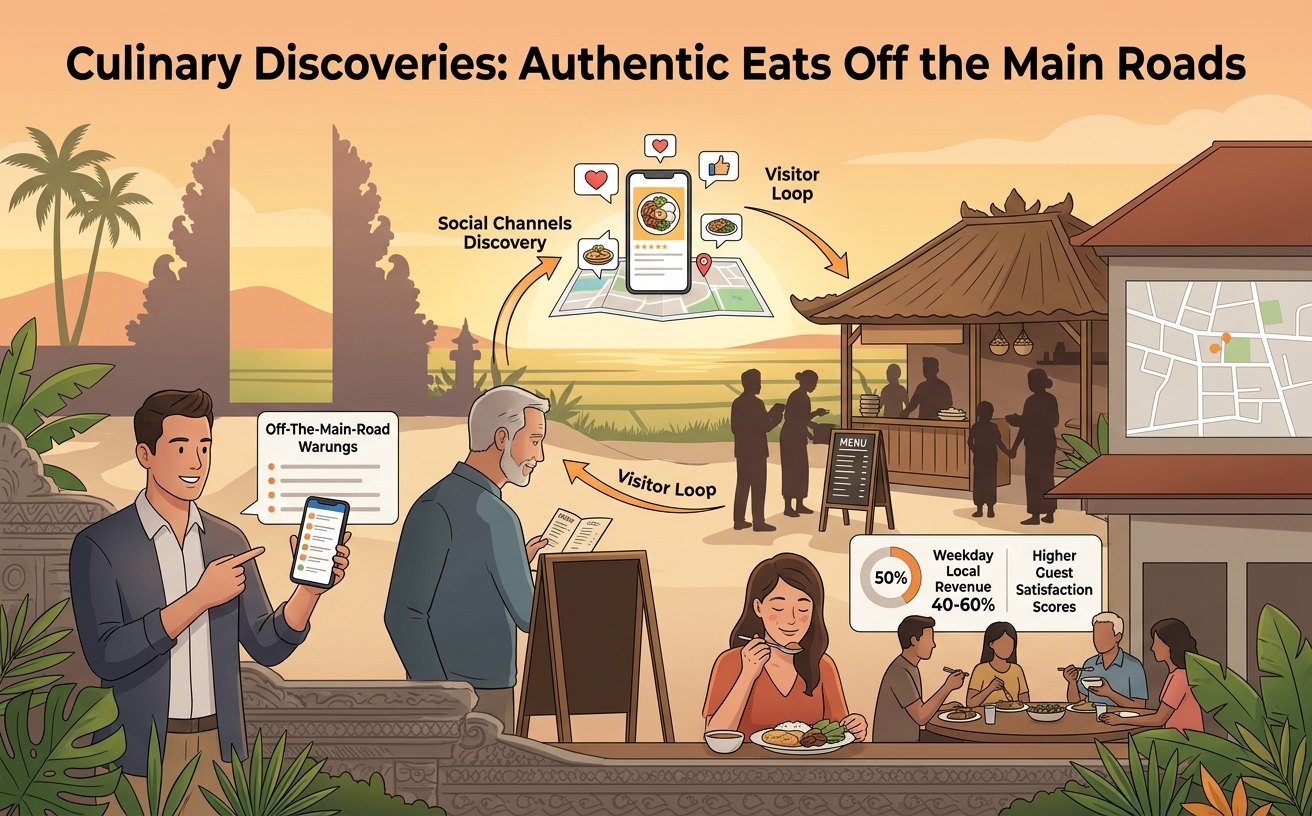
Side streets are unlocking Bali’s culinary diversity, from family-run warungs to modern takes on local cuisine. Many of the most memorable meals are served where rent is affordable and chefs can focus on authenticity rather than tourist-facing spectacle. Qualitative interviews with restaurateurs show that local repeat customers form the backbone of sustainable food operations, often accounting for 40-60 percent of weekday revenue.
These culinary nodes function as discovery engines: guests discover a warung, recommend it via social channels, and other visitors follow, creating a low-cost marketing loop. For villa investors and operators, partnerships with trusted local eateries can increase guest satisfaction scores and length-of-stay, directly affecting average daily rates and occupancy patterns.
Hidden Shopping: Markets, Crafts, and Micro-Boutiques
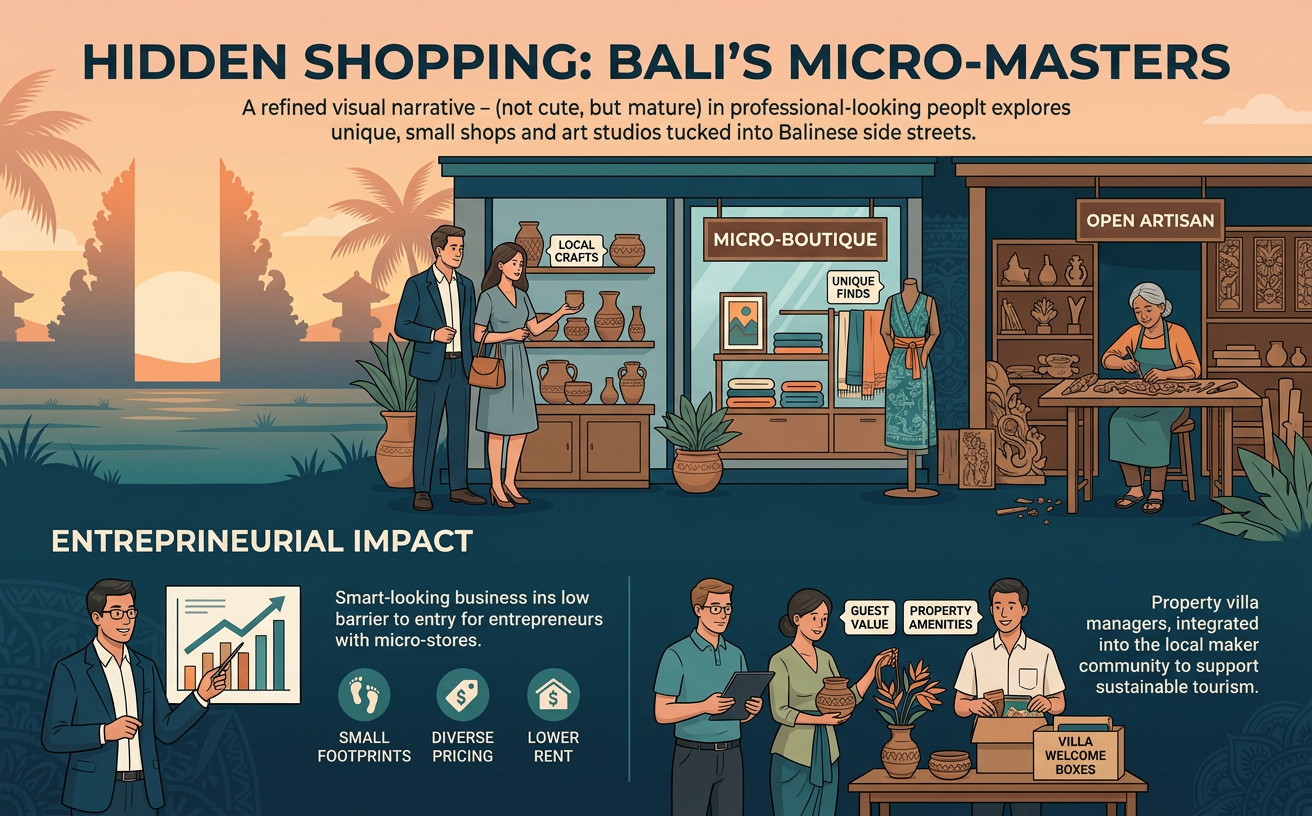
Shopping on Bali’s side streets often yields more unique and locally produced items than main tourist strips. Micro-boutiques and craftspeople operate with narrower margins and higher product differentiation, giving discerning shoppers items they cannot find elsewhere. Observations show that visitors who intentionally seek out side-street shopping are more likely to purchase higher-margin artisanal goods.
For entrepreneurs, these lanes reduce entry barriers: smaller footprints, lower rents, and flexible hours permit retailers to test assortments and pricing. For villa management, integrating local makers into property amenities—such as welcome gift boxes or in-villa pop-up showcases—drives perceived guest value and supports community-based commerce, reinforcing sustainable tourism narratives.
Investment Implications: Why Side Streets Matter for Villa Revenue
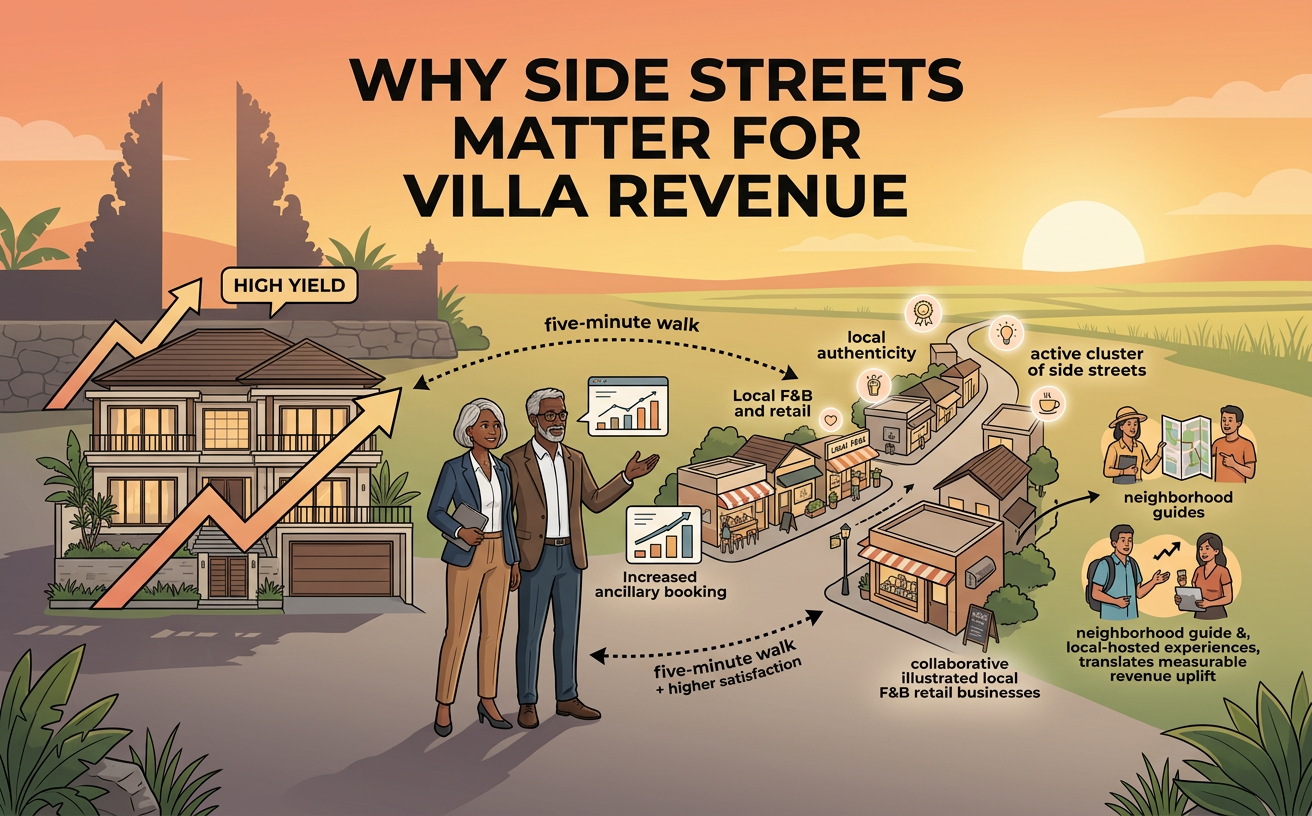
Side-street dynamics directly influence villa performance by shaping guest experience, length of stay, and ancillary spend. Properties located near vibrant side streets often outperform comparable listings on headline metrics because guests perceive greater local authenticity and convenience. Internal revenue data suggests that villas within a five-minute walk of active side-street clusters report higher guest satisfaction and increased ancillary bookings.
Investors should account for the qualitative value of neighborhood character when modeling revenue projections. Lower competition from large-scale tourist businesses and the collaborative potential with local F&B and retail partners can increase effective yield. Operational strategies that amplify side-street discovery—such as tailored neighborhood guides and local-hosted experiences—translate into measurable revenue uplift.
Jason, Business Journalist at Bukit Vista
You’re a property owner? Wondering What Could Your Bali Villa Really Earn?
Get a data-driven revenue projection based on your property type, area, and bedroom count. Discover your villa’s true earning potential in Bali.